
Challenge
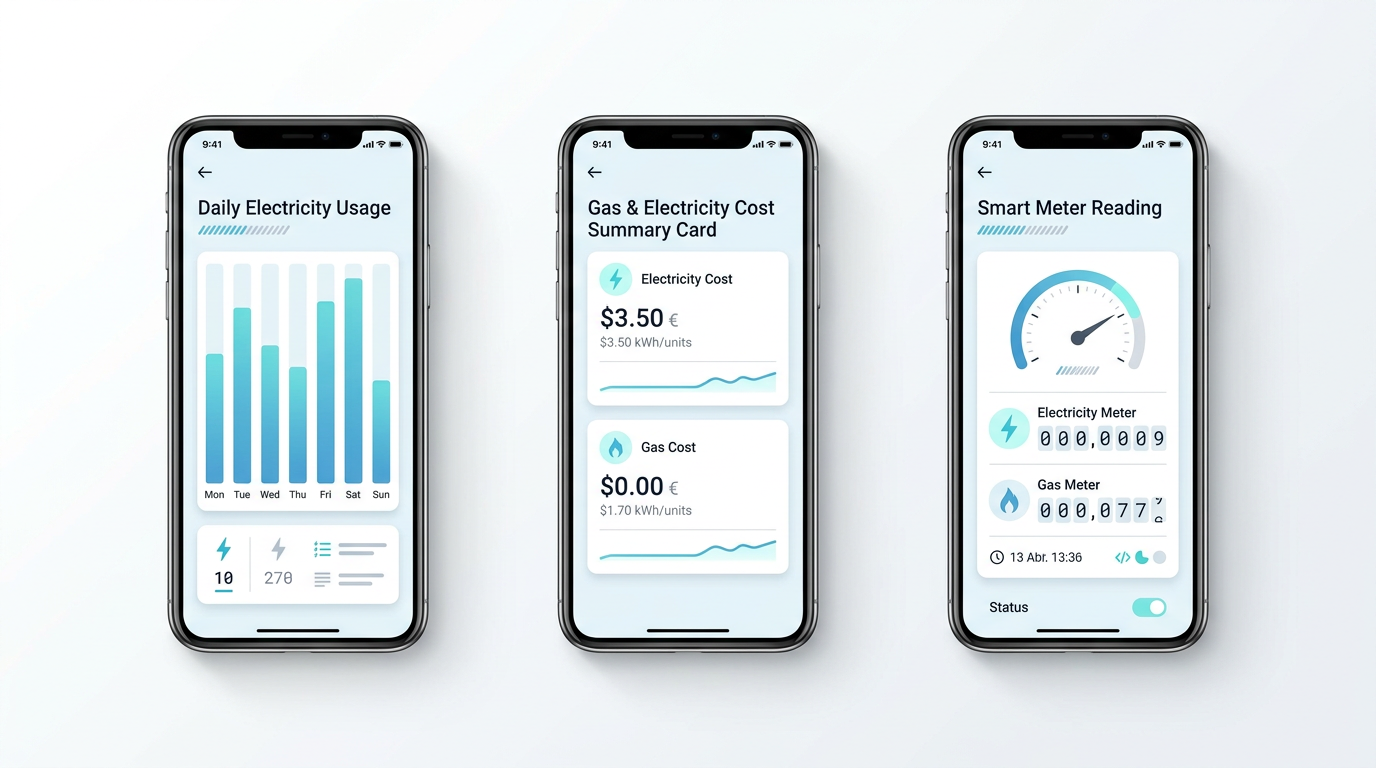
In 2017, the British Gas mobile app entered production following an intensive programme of work to replace the existing application with an updated feature set and progressive integrations with British Gas Connected Home.
The ambition was to give customers greater visibility and control over their household energy consumption. By using data from smart meters, the app aimed to help users understand and monitor their energy usage, manage their consumption more efficiently, save money and take a more proactive approach to their energy bills.
Delivering this new experience required more than designing individual features. The project involved multiple feature teams working in parallel, with a need for consistency across the application, efficient collaboration between designers, and a workflow that could support rapid development within an agile environment.
The challenge was to establish a scalable design process that enabled teams to work at pace while maintaining a coherent customer experience. This needed to align with an evolving three-month roadmap and accommodate regular feedback, changing requirements and the progressive delivery of new functionality.
Approach
During the first phase of the project, I helped establish three feature teams, sourcing visual designers and developing an effective workflow to support collaboration across the design function.
A key priority was creating a shared approach to design assets and resources. We established processes for sharing work, building a central design library and maintaining consistency across teams. This enabled designers to collaborate more effectively, reduce duplication and produce application designs ready for development within the project's agile sprint cycles.
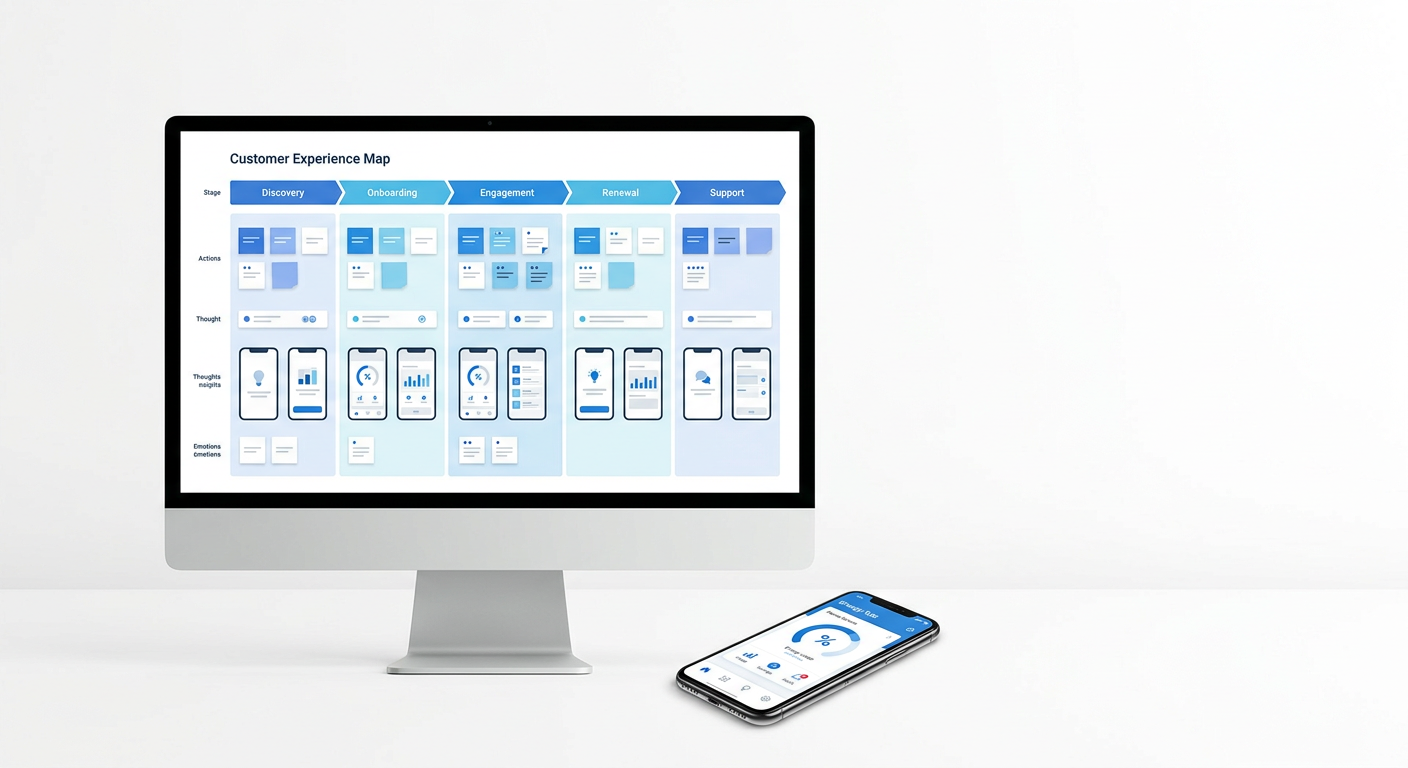
Alongside this work, I collaborated with UX designers to develop an experience map that served as a living document throughout the project.
The experience map provided stakeholders with a clear vision of the application's intended functionality and the overall customer journey. It also helped connect the work of individual feature teams to the wider product experience, ensuring that team members understood how their contributions fitted into the broader application.
This shared view of the experience supported alignment across the project, helping teams make informed design decisions while working on separate features in parallel.
User testing was embedded throughout the sprint cycle. Feature teams regularly tested hypotheses developed during incubation and design activities, using customer feedback to inform subsequent iterations. This allowed us to validate assumptions, identify potential usability issues and assess whether the interface and user journeys met customer expectations.
Testing sessions brought together developers, senior stakeholders and Scrum leaders, using British Gas's UX team facilities. This collaborative approach helped make user feedback accessible to the wider project team and supported a shared understanding of customer needs across design, development and delivery.
For me, the project was an opportunity to combine design leadership, team organisation and user-centred thinking within a complex digital product environment. It reinforced the importance of establishing the right processes, shared tools and collaborative practices to help multidisciplinary teams deliver effectively at scale.
Solution
The project established a collaborative design workflow to support the delivery of the redesigned British Gas mobile app, enabling three feature teams to work in parallel while maintaining a consistent approach to the application experience.
The shared design library and asset-management processes provided a common foundation for visual design, helping teams collaborate efficiently and prepare designs for implementation within an agile development cycle.
The experience map gave the project a shared reference point for the overall customer journey. By connecting individual features to the wider application vision, it helped stakeholders and delivery teams understand how their work contributed to the intended experience.
Regular user testing also became an integral part of the design and development process. Feedback gathered during each sprint informed subsequent work, allowing teams to revisit assumptions, refine interfaces and respond to customer needs as the application evolved.
Together, these practices supported a more coordinated and iterative approach to product design, balancing the pace of agile delivery with the need for a consistent, user-centred experience.
Skills built up and applied: Pitching, Visual design, User testing moderation and observation, stakeholder liaison, presentation skills, project creative leadership.