
Challenge
In 2016, I worked with an international team across Publicis.Sapient to develop and roll out a new user experience, visual language and CMS platform for Michelin.
The project began with Michelin's sister brand, BFGoodrich, where we developed a dynamic UI library designed to work alongside its chosen headless CMS platform. Working with visual designers and UX designers, we explored new concepts and improvements across the existing portfolio of global websites.
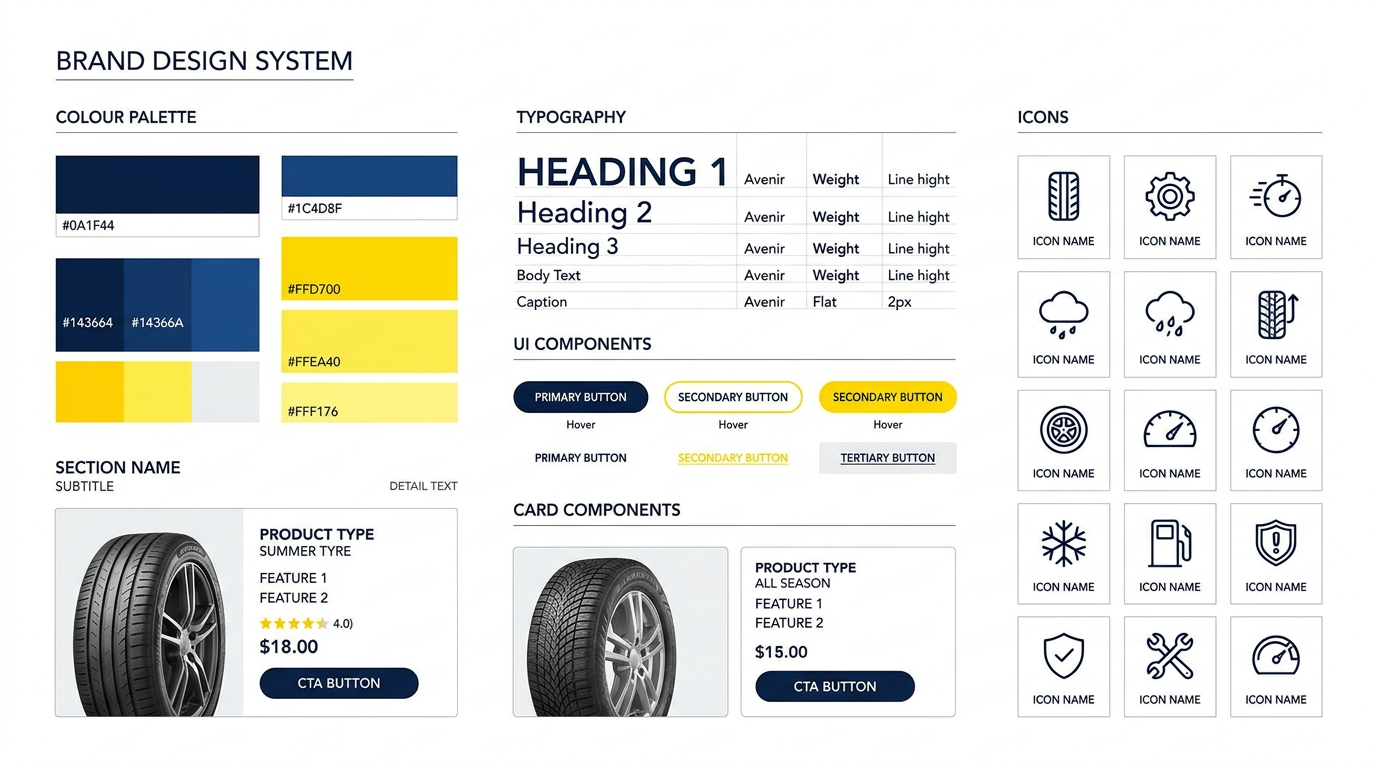
The challenge was to establish a cohesive digital design system that could support multiple brands, product categories and regional audiences while maintaining a consistent visual identity. The system needed to be flexible enough to accommodate different content requirements and market-specific needs, yet robust enough to preserve brand consistency across a complex international digital ecosystem.
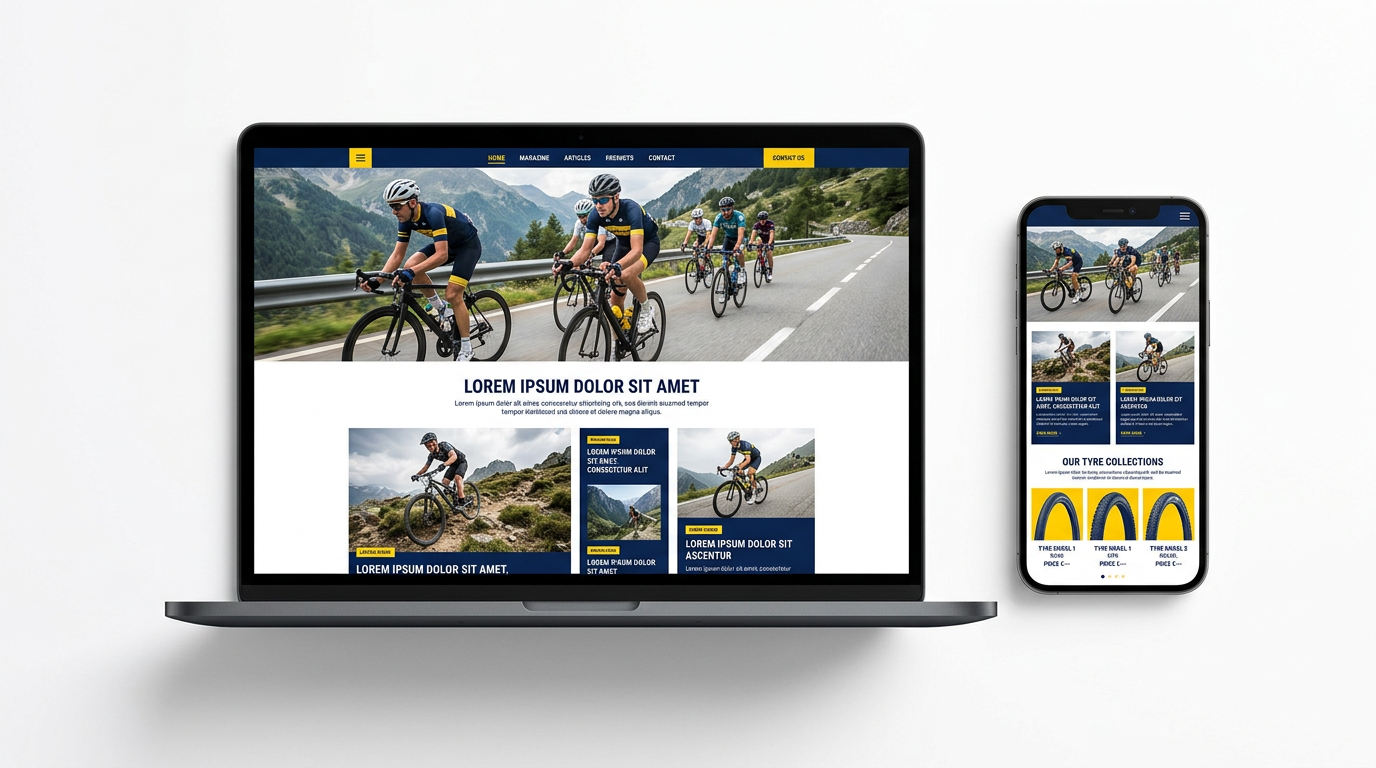
A key consideration was translating Michelin's reputation for advanced tyre technology, engineering and safety into a contemporary digital experience. At the same time, specific areas of the business required a more distinctive personality. The bicycle tyre portfolio, in particular, needed a refreshed visual identity and greater support for editorial content aimed at its broad community of cycling and sports enthusiasts.
The challenge was to create a scalable design foundation that could balance global consistency with the flexibility required by individual markets, product categories and audiences.
Approach
Working alongside an international team of visual and UX designers, we began by auditing and documenting the existing website components to understand the requirements for a new, unified design system.
This involved defining how core visual elements, including colour, typography, button hierarchy and imagery, would be applied consistently across the digital ecosystem. Our aim was to create a sleek, contemporary and robust visual language that reflected the brands' technical expertise and emphasis on safety through engineering.
We developed concepts and refinements for the existing suite of global websites, using the emerging UI library to establish reusable components and a more consistent approach to digital design. The work was designed to complement the underlying headless CMS platform, providing a flexible visual layer that could support different website requirements.
While working in Lyon with Michelin's brand owners, we were also asked to address the bicycle tyre portfolio. This required a more contemporary visual personality that could appeal to cycling and sports audiences while remaining connected to the wider brand identity.
Alongside the visual design work, we considered the role of editorial content in building engagement with these communities. This included developing approaches to blog content and page layouts that could better support the interests of cycling enthusiasts and sports followers.
Throughout the project, we focused on creating adaptable design systems that could be implemented across regional websites. The approach needed to accommodate differences in content, audience and market requirements across Europe, North, Central and South America, Australia, the UAE, Asia and Africa.
For me, the project was an opportunity to contribute to a complex international design programme, combining visual design, component-based thinking and cross-cultural collaboration. It demonstrated the importance of building flexible design systems that can support diverse audiences and markets without losing the consistency and character of a global brand.
Solution
We delivered a suite of digital design systems and UI components designed to support the evolution of Michelin's global web presence, beginning with the BFGoodrich brand.
The resulting design foundations provided a consistent visual language across website components while allowing regional teams to adapt layouts and content to their specific markets and audiences.
The component-based approach supported a more systematic way of designing and developing digital experiences, helping bridge the relationship between the visual interface and the underlying headless CMS platform.
For the bicycle tyre portfolio, the work introduced a more contemporary design direction, with greater consideration given to editorial content and the needs of cycling and sports communities.
The resulting systems were designed to accommodate a broad range of regional requirements, supporting the creation of localised digital experiences while retaining a recognisable brand identity.
Skills built up and applied: Visual design, AEM design, stakeholder liaison, presentation skills, project creative leadership, working across borders and languages.